
دراسة حديثة: الإفراط في البروتين قد يسرّع الشيخوخة – أخبار السعودية
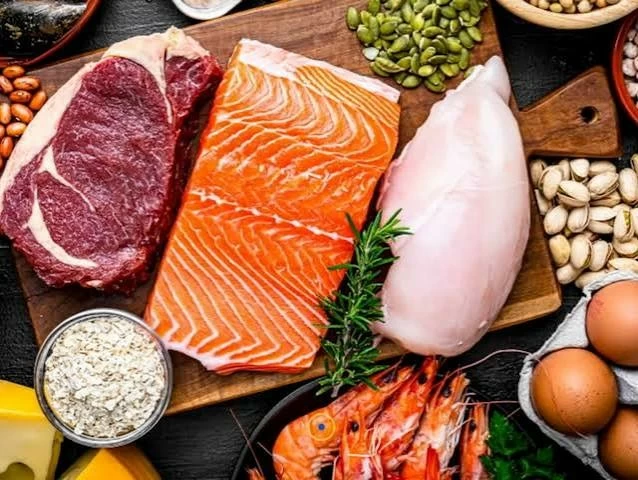

رغم الانتشار الواسع للمنتجات الغذائية المدعمة بالبروتين، والتي أصبحت تملأ رفوف المتاجر من حبوب الإفطار والقهوة إلى المياه والمشروبات، تشير مراجعة علمية حديثة إلى أن الإفراط في تناول البروتين قد لا يكون الخيار الصحي الأمثل لمعظم الأشخاص، بل إن تقليل استهلاكه قد يساهم في تعزيز الشيخوخة الصحية وإطالة العمر، خاصة لدى البالغين قليلي النشاط البدني.
ونشرت الدراسة، التي صدرت في 31 يوليو بمجلة Cell Press Blue، مراجعة شاملة لأكثر من 350 دراسة تناولت العلاقة بين تقييد البروتين وعملية الشيخوخة، وخلصت إلى أن خفض كمية البروتين في النظام الغذائي قد يحسن عملية التمثيل الغذائي، ويغير استجابة الخلايا للعناصر الغذائية، ويحد من التلف الخلوي، كما يساعد الخلايا على الحفاظ على وظائفها الطبيعية لفترة أطول.
البروتين ليس أكثر فائدة دائماً
وبحسب موقع ساينس ديلي، يقول الباحث الرئيسي في الدراسة، دودلي لامينغ، من جامعة ويسكونسن-ماديسون، إن فوائد البروتين في بناء العضلات وتحسين الاستجابة للتمارين الرياضية لدى الأشخاص النشطين مثبتة علمياً، إلا أن المشكلة تكمن في أن معظم الناس لا يمارسون نشاطاً بدنياً كافياً.
وأضاف أن الكثيرين يستهلكون كميات من البروتين تتجاوز احتياجاتهم الفعلية، وهو ما قد تكون له آثار صحية سلبية على المدى الطويل، موضحاً أن توصيات التغذية يجب ألا تكون موحدة للجميع، بل ينبغي أن تراعي مستوى النشاط البدني لكل شخص.
بديل عملي لتقليل السعرات الحرارية
لطالما أظهرت الأبحاث أن تقليل السعرات الحرارية يمكن أن يطيل العمر ويخفض خطر الإصابة بالأمراض المرتبطة بالتقدم في السن، مثل السرطان، لكن الالتزام بهذا النوع من الأنظمة الغذائية لفترات طويلة يعد أمراً صعباً بالنسبة لمعظم الأشخاص.
وترى الدراسة أن تقليل البروتين قد يمثل بديلاً أكثر واقعية، إذ أظهرت تجارب سابقة على الذباب والقوارض أن الحيوانات التي تناولت كميات أقل من البروتين عاشت لفترات أطول، حتى عندما لم تنخفض كمية السعرات الحرارية التي حصلت عليها.
كما كشفت تجارب سريرية أجريت على البشر أن الأشخاص الذين خفضوا استهلاكهم للبروتين فقدوا وزناً ودهوناً من الجسم، وتحسنت لديهم مستويات السكر في الدم أثناء الصيام، رغم أن بعضهم كان يتناول سعرات حرارية أكثر من ذي قبل.
فوائد البروتين لا تزال قائمة
ورغم النتائج الإيجابية لتقليل البروتين، تؤكد الدراسة أن الأدلة العلمية ليست في اتجاه واحد، إذ تشير أبحاث أخرى إلى أن تناول كميات أكبر من البروتين يساعد في إنقاص الوزن والحفاظ على الكتلة العضلية، خاصة لدى كبار السن وعند اقترانه بممارسة التمارين الرياضية.
وقد انعكس ذلك في تحديث الإرشادات الغذائية الأمريكية هذا العام، التي أوصت برفع الاستهلاك اليومي إلى ما بين 1.2 و1.6 غرام من البروتين لكل كيلوغرام من وزن الجسم، أي ما يقارب ضعف التوصيات السابقة.
لكن الباحثين يرون أن هذه التوصيات قد لا تناسب جميع الفئات، خصوصاً مع تزايد استهلاك البروتين في الولايات المتحدة وانتشار المنتجات المدعمة به.
هرمون قد يفسر العلاقة بطول العمر
وتسلط الدراسة الضوء على دور هرمون يعرف باسم FGF21، والذي ترتفع مستوياته عندما ينخفض استهلاك البروتين.
ويرتبط هذا الهرمون بزيادة استهلاك الجسم للطاقة، وتحسين تنظيم مستويات السكر في الدم، وتقليل الالتهابات، وهي عوامل ترتبط جميعها بتحسين الصحة العامة وإبطاء مظاهر الشيخوخة.
وأظهرت تجارب على الفئران أن الحيوانات التي امتلكت مستويات مرتفعة من هذا الهرمون عاشت لفترة أطول مقارنة بغيرها، كما تبين أن خفض البروتين يؤدي أيضاً إلى زيادة مستوياته لدى البشر.
أحماض أمينية قد تسرّع الشيخوخة
وركزت المراجعة كذلك على عدد من الأحماض الأمينية، وهي الوحدات الأساسية التي يتكون منها البروتين، وفي مقدمتها الميثيونين والإيزوليوسين والفالين.
وتشير الأبحاث إلى أن الإفراط في تناول هذه الأحماض قد ينشط مسارات بيولوجية مسؤولة عن تحفيز النمو، إلا أن استمرار نشاطها بمعدلات مرتفعة قد يزيد من احتمالات الإصابة بالسمنة والالتهابات واضطرابات أخرى ترتبط بالتقدم في العمر.
حاجات البروتين تختلف بين الأفراد
وأكد الباحثون أن بعض الفئات تحتاج بالفعل إلى كميات أكبر من البروتين، مثل النساء الحوامل وبعض كبار السن، بينما قد لا يستفيد البالغون قليلو الحركة من الأطعمة المدعمة بالبروتين بالشكل الذي تروج له الشركات الغذائية.
وأشار لامينغ إلى أن الرياضيين غالباً ما يستهلكون كميات كبيرة من البروتين دون أن تظهر لديهم مشكلات في التمثيل الغذائي، مرجحاً أن النشاط البدني المنتظم يوجه البروتين نحو بناء العضلات وصيانتها، بدلاً من تنشيط المسارات البيولوجية المرتبطة بالشيخوخة.
توصيات أكثر دقة
واختتم الباحثون بأن الإرشادات الغذائية المستقبلية يجب أن تعتمد على مفهوم التغذية الشخصية، بحيث تُحدد حاجات البروتين وفقاً لعوامل مثل العمر ومستوى النشاط البدني والحالة الصحية، بدلاً من تقديم توصية موحدة لجميع الأشخاص.
وأكدوا أن الرسالة الأساسية للدراسة ليست الدعوة إلى تقليل البروتين لدى الجميع، وإنما التأكيد على أن الإفراط في تناوله قد لا يكون مفيداً، بل قد يحمل آثاراً صحية غير مرغوبة لدى الأشخاص قليلي النشاط، بينما تظل الكميات المرتفعة ضرورية لفئات معينة مثل الرياضيين والحوامل وبعض كبار السن.
Despite the widespread availability of protein-enriched food products, which have filled store shelves from breakfast cereals and coffee to water and beverages, a recent scientific review suggests that excessive protein intake may not be the healthiest option for most people. In fact, reducing protein consumption may contribute to promoting healthy aging and extending lifespan, especially among physically inactive adults.
The study, published on July 31 in Cell Press Blue, provides a comprehensive review of over 350 studies examining the relationship between protein restriction and the aging process. It concluded that reducing protein intake in the diet may improve metabolic processes, alter cellular responses to nutrients, limit cellular damage, and help cells maintain their normal functions for a longer period.
Protein Is Not Always More Beneficial
According to Science Daily, the lead researcher of the study, Dudley Laming from the University of Wisconsin-Madison, states that the benefits of protein in building muscles and improving exercise responses in active individuals are scientifically proven. However, the problem lies in the fact that most people do not engage in sufficient physical activity.
He added that many consume amounts of protein that exceed their actual needs, which may have negative health effects in the long term, explaining that nutritional recommendations should not be uniform for everyone but should consider each person’s level of physical activity.
A Practical Alternative to Reducing Calories
Research has long shown that reducing calorie intake can extend lifespan and lower the risk of age-related diseases, such as cancer, but adhering to such diets for long periods is challenging for most people.
The study suggests that reducing protein may represent a more realistic alternative, as previous experiments on flies and rodents showed that animals consuming lower amounts of protein lived longer, even when their calorie intake did not decrease.
Clinical trials conducted on humans revealed that individuals who reduced their protein consumption lost weight and body fat, and their blood sugar levels improved during fasting, even though some were consuming more calories than before.
The Benefits of Protein Still Stand
Despite the positive results of reducing protein, the study emphasizes that scientific evidence is not one-sided, as other research indicates that higher protein intake aids in weight loss and maintaining muscle mass, especially among the elderly and when combined with exercise.
This was reflected in the update of the U.S. dietary guidelines this year, which recommended increasing daily intake to between 1.2 and 1.6 grams of protein per kilogram of body weight, nearly double the previous recommendations.
However, researchers believe that these recommendations may not suit all groups, especially with the rising protein consumption in the United States and the proliferation of protein-enriched products.
A Hormone That May Explain the Longevity Connection
The study highlights the role of a hormone known as FGF21, which increases when protein consumption decreases.
This hormone is associated with increased energy expenditure, improved regulation of blood sugar levels, and reduced inflammation, all factors linked to better overall health and slowing the signs of aging.
Experiments on mice showed that animals with elevated levels of this hormone lived longer compared to others, and it was also found that reducing protein leads to increased levels in humans.
Amino Acids That May Accelerate Aging
The review also focused on several amino acids, the basic units that make up protein, notably methionine, isoleucine, and valine.
Research suggests that excessive intake of these amino acids may activate biological pathways responsible for stimulating growth; however, sustained high activity of these pathways may increase the likelihood of obesity, inflammation, and other disorders associated with aging.
Protein Needs Vary Among Individuals
Researchers confirmed that some groups indeed require larger amounts of protein, such as pregnant women and some elderly individuals, while less active adults may not benefit from protein-enriched foods in the way promoted by food companies.
Laming noted that athletes often consume large amounts of protein without showing metabolic issues, suggesting that regular physical activity directs protein towards muscle building and maintenance, rather than activating biological pathways associated with aging.
More Precise Recommendations
The researchers concluded that future dietary guidelines should rely on the concept of personalized nutrition, determining protein needs based on factors such as age, level of physical activity, and health status, rather than providing a uniform recommendation for all individuals.
They emphasized that the main message of the study is not to advocate for reducing protein for everyone but to highlight that excessive intake may not be beneficial and could have undesirable health effects for physically inactive individuals, while higher amounts remain essential for certain groups such as athletes, pregnant women, and some elderly people.
تعليقات