
وزير خارجية أمريكا: لن نسمح للصين أن تصبح الدولة الأقوى في العالم – أخبار السعودية
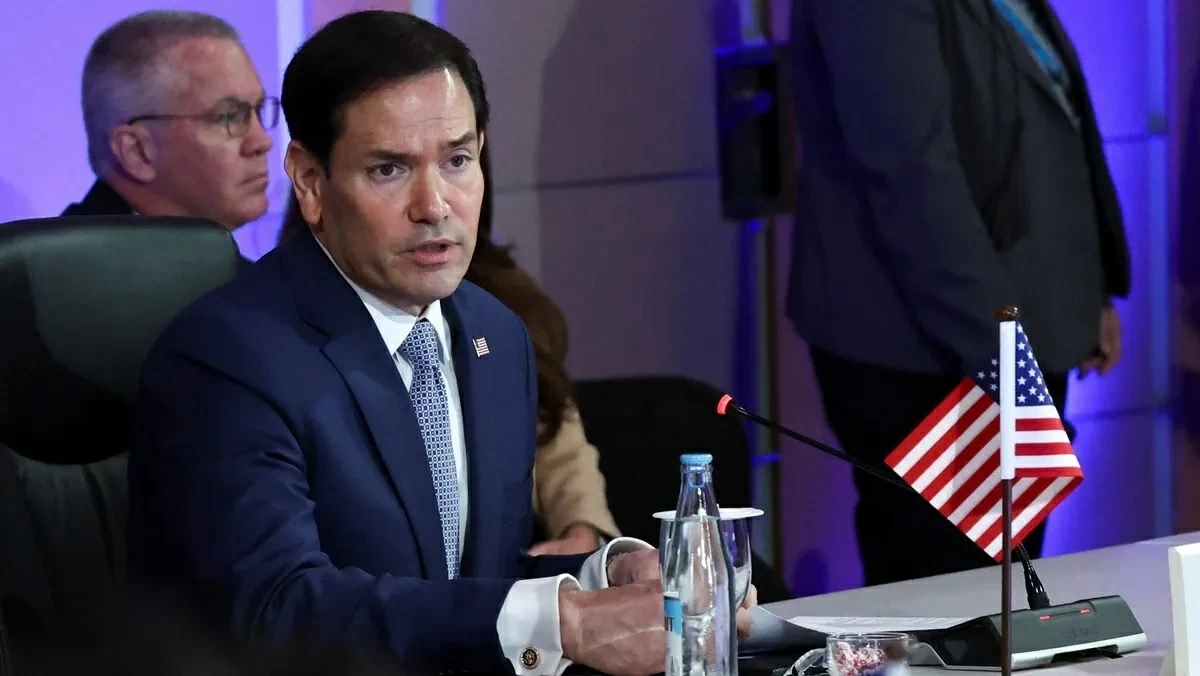

أكد وزير الخارجية الأمريكي ماركو روبيو أن الولايات المتحدة «لن تسمح للصين بأن تصبح الدولة الأقوى في العالم» على حسابها، مشدداً على أهمية الحفاظ على قنوات اتصال مباشرة بين واشنطن وبكين لإدارة الخلافات وتجنب أي صراع قد تكون تداعياته كارثية على البلدين والعالم.
وجدد روبيو التأكيد على موقف بلاده الرافض لأي تغيير للوضع القائم في تايوان بالإكراه. وقال في مقابلة مع شبكة Fox News، أمس (السبت)، إن «الصين تريد أن تصبح الدولة الأقوى في العالم، وتريد أن تحقق ذلك على حساب الولايات المتحدة، لكننا لن نسمح بحدوث ذلك». وأضاف أن الولايات المتحدة والصين تمثلان أكبر اقتصادين في العالم، وربما أقوى قوتين عسكريتين أيضاً، لكن قدراتنا العسكرية أكثر تقدماً، ومع ذلك، أعتقد أنه من المهم لدولتين كبيرتين كهاتين، وهما الأقوى في العالم، أن تكون بينهما علاقة، وأن تكون لديهما القدرة على التواصل المباشر، ومحاولة احتواء الخلافات كلما أمكن، لأن غياب ذلك قد يؤدي إلى أمور سيئة للغاية. واعتبر أن أساس هذه العلاقة يتمثل في العلاقة التي تجمع الرئيس الأمريكي دونالد ترمب بنظيره الصيني شي جين بينغ القائمة على الاحترام المتبادل، مضيفاً أنهما يتفاهمان بشكل جيد، وهو ما وصفه بأنه أمر بالغ الأهمية. وأكد روبيو أن الولايات المتحدة تسعى إلى تحقيق الاستقرار في علاقتها مع بكين، مشيراً إلى أن الجانبين يدركان وجود ملفات لن يتفقا بشأنها، بما في ذلك مجالات التنافس. وأشار إلى أن هناك مجالات يمكننا العمل فيها معاً، وهذا سيكون أمراً رائعاً للعالم. لكن هناك أيضاً كثير من نقاط الاحتكاك والمنافسة. وشدد على ضرورة إدارة هذه الخلافات، مع الحفاظ في الوقت نفسه على العلاقة مع الصين، مؤكداً أن ما يخدم مصلحة الولايات المتحدة يجب أن يكون الأولوية دائماً. وفيما يتعلق بتايوان، قال وزير الخارجية الأمريكي: لا أستطيع التحدث عما سيحدث بعد 20 أو 30 عاماً. لكن ما يمكنني قوله هو أن موقفنا يتمثل في أننا لا نؤيد أي تغيير للوضع القائم حالياً هناك، ونعارض أي تغيير يُفرض بالقوة أو بالإكراه. ولفت إلى أن واشنطن أكدت هذا الموقف بوضوح خلال اجتماعاتها مع الجانب الصيني، لكنه لفت إلى أن بكين تتبنى وجهة نظر مختلفة تماماً، وأن هذه القضية تمثل بالنسبة لها ملفاً شديد الحساسية. وأوضح أن هذا الملف يتطلب توازناً دقيقاً، لأن أي صراع بين الولايات المتحدة والصين، سواء كان اقتصادياً أو عسكرياً، ستكون له تداعيات كارثية على البلدين والعالم بأسره، مؤكداً ضرورة إدارته بحذر. وشدد على أن الولايات المتحدة لا يمكنها التخلي عن مصالحها الوطنية أو التنازل عنها.
U.S. Secretary of State Marco Rubio confirmed that the United States “will not allow China to become the strongest country in the world” at its expense, emphasizing the importance of maintaining direct communication channels between Washington and Beijing to manage disagreements and avoid any conflict that could have catastrophic consequences for both countries and the world.
Rubio reiterated his country’s stance against any coercive change to the status quo in Taiwan. In an interview with Fox News yesterday (Saturday), he stated, “China wants to become the strongest country in the world, and it wants to achieve that at the expense of the United States, but we will not allow that to happen.” He added that the United States and China represent the two largest economies in the world and possibly the two strongest military powers as well, but our military capabilities are more advanced. Nevertheless, I believe it is important for two great countries like these, which are the strongest in the world, to have a relationship and the ability to communicate directly, and to try to contain disagreements whenever possible, because the absence of that could lead to very bad outcomes. He considered that the foundation of this relationship lies in the connection between U.S. President Donald Trump and Chinese President Xi Jinping, based on mutual respect, adding that they understand each other well, which he described as extremely important. Rubio confirmed that the United States seeks to achieve stability in its relationship with Beijing, noting that both sides recognize the existence of issues on which they will not agree, including areas of competition. He pointed out that there are areas where we can work together, and that would be great for the world. But there are also many points of friction and competition. He stressed the need to manage these disagreements while maintaining the relationship with China, affirming that what serves the interests of the United States must always be the priority. Regarding Taiwan, the U.S. Secretary of State said: I cannot speak about what will happen in 20 or 30 years. But what I can say is that our position is that we do not support any change to the current status there, and we oppose any change imposed by force or coercion. He noted that Washington has clearly affirmed this position during its meetings with the Chinese side, but he pointed out that Beijing holds a completely different viewpoint, and that this issue represents a highly sensitive file for them. He explained that this file requires a delicate balance, as any conflict between the United States and China, whether economic or military, would have catastrophic consequences for both countries and the entire world, emphasizing the need to manage it carefully. He stressed that the United States cannot abandon or compromise its national interests.
تعليقات