
عثمان سويعد.. سيرة رجل حمل مسؤولية المكان والإنسان – أخبار السعودية
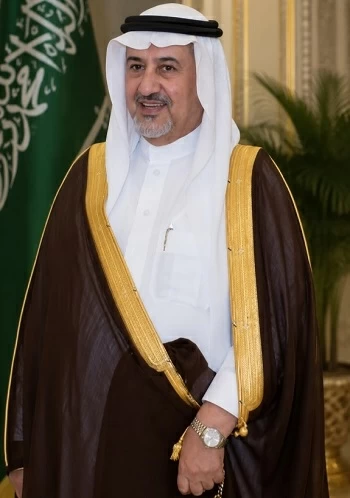

في تاريخ المجتمعات المحلية تبرز شخصيات لا يقاس حضورها بعدد المناصب التي تقلدتها، بل بما تركته من أثر في الناس، وما أسهمت به في بناء مجتمعها. ومن هذه الشخصيات الشيخ عثمان أحمد سعيد سويعد، الذي ولد في بني كبير عام 1365هـ، وعرف على مدى عقود برجل المسؤولية والعمل العام.
بدأت محطاته البارزة عندما تولى مشيخة قبيلة بني كبير عام 1386هـ خلفًا للشيخ محمد بن سويعد، ثم أسندت إليه مهمة القائم بأعمال هيئة الأمر بالمعروف والنهي عن المنكر في بني كبير حتى عام 1396هـ، وهي مرحلة عرفت بقربه من الناس وحرصه على الإصلاح ورأب الصدع وتعزيز التآلف بين أفراد المجتمع.
وكان حاضرًا في مسيرة التنمية التي شهدتها منطقة الباحة، فأسهم في تأسيس شركة كهرباء بني كبير، قبل أن يتولى رئاسة مجلس إدارة الغرفة التجارية الصناعية بالباحة، ويمثل الغرف التجارية السعودية، كما شارك في عدد من المجالس واللجان التي أسهمت في دعم التنمية والعمل المؤسسي، ومن بينها مجلس منطقة الباحة، وجمعية البر، وجمعية أصدقاء المرضى، ولجنة إصلاح ذات البين، ولجان التنمية الاجتماعية.
ولم يكن اهتمامه مقتصرًا على الجوانب الإدارية والتنموية، بل امتد إلى الجانب الثقافي، إذ كان من المساهمين في تأسيس أول مطبعة بمنطقة الباحة، في خطوة عكست إدراكًا مبكرًا لأهمية الكلمة المطبوعة ودورها في خدمة العلم والثقافة.
وعُرف عثمان سويعد بتمسكه بصلة الرحم، فكان حريصًا على التواصل مع أقاربه والسؤال عنهم، مؤمنًا بأن تماسك الأسرة أساس قوة المجتمع. كما عرف بتواضعه وحسن تعامله، فاحترم الكبير، وشجع الصغير، وتعامل مع الجميع بروح يسودها التقدير والإنصاف، وهو ما أكسبه محبة الناس واحترامهم.
وفي منزله كان أبًا ومربيًا قبل أي شيء، يحرص على تعليم أبنائه، ويغرس فيهم قيم التواضع والاعتماد على النفس واحترام الآخرين، وكان يرى أن حسن الخلق هو أعظم ما يورثه الأب لأبنائه.
ومن الصفات التي لازمته طوال حياته حب النظام والدقة، إذ اعتاد تدوين أعماله ومواعيده وخططه في أوراقه الخاصة قبل تنفيذها، وهي عادة عكست شخصيته المنظمة وحرصه على إتقان ما يقوم به.
وخلال مسيرته نال العديد من خطابات الشكر والتقدير من الأمراء، والوزراء، وعدد من كبار المسؤولين، تقديرًا لإسهاماته في خدمة المنطقة وأهلها.
وبقي عثمان أحمد سعيد سويعد نموذجًا لرجل آمن بأن المسؤولية تكليف قبل أن تكون تشريفًا، وأن خدمة الإنسان والمكان هي الأثر الذي يبقى مهما تعاقبت السنوات وتبدلت الأجيال.
In the history of local communities, certain figures stand out not by the number of positions they held, but by the impact they left on people and their contributions to building their society. One of these figures is Sheikh Othman Ahmed Said Suwaid, who was born in Bani Kabeer in 1365 AH, and was known for decades as a man of responsibility and public work.
His notable milestones began when he took over the chieftaincy of the Bani Kabeer tribe in 1386 AH, succeeding Sheikh Mohammed bin Suwaid. He was then assigned the role of acting head of the Commission for the Promotion of Virtue and the Prevention of Vice in Bani Kabeer until 1396 AH, a period marked by his closeness to the people, his commitment to reform, healing rifts, and fostering harmony among community members.
He was present in the development journey witnessed in the Al-Baha region, contributing to the establishment of the Bani Kabeer Electricity Company, before taking on the presidency of the Board of Directors of the Al-Baha Chamber of Commerce and Industry, representing Saudi commercial chambers. He also participated in several councils and committees that contributed to supporting development and institutional work, including the Al-Baha Region Council, the Charitable Society, the Friends of Patients Society, the Committee for Reconciliation, and social development committees.
His interests were not limited to administrative and developmental aspects; they extended to the cultural side as well, as he was one of the contributors to establishing the first printing press in the Al-Baha region, a step that reflected an early awareness of the importance of the printed word and its role in serving knowledge and culture.
Othman Suwaid was known for his strong family ties, being keen on communicating with his relatives and inquiring about them, believing that family cohesion is the foundation of community strength. He was also known for his humility and good manners, respecting the elders, encouraging the young, and dealing with everyone in a spirit of appreciation and fairness, which earned him the love and respect of the people.
At home, he was a father and educator above all else, keen on educating his children and instilling in them values of humility, self-reliance, and respect for others. He believed that good character is the greatest legacy a father can pass on to his children.
Among the traits that accompanied him throughout his life was a love for order and precision, as he was accustomed to recording his tasks, appointments, and plans in his personal papers before executing them, a habit that reflected his organized personality and his commitment to excellence in what he undertook.
Throughout his career, he received numerous letters of thanks and appreciation from princes, ministers, and several senior officials, in recognition of his contributions to serving the region and its people.
Othman Ahmed Said Suwaid remained a model of a man who believed that responsibility is a duty before it is an honor, and that serving humanity and the place is the legacy that endures regardless of the passage of years and the changing of generations.
تعليقات