
دراسة: سائل بسيط يغني الأطفال عن حشو الأسنان والجراحة – أخبار السعودية
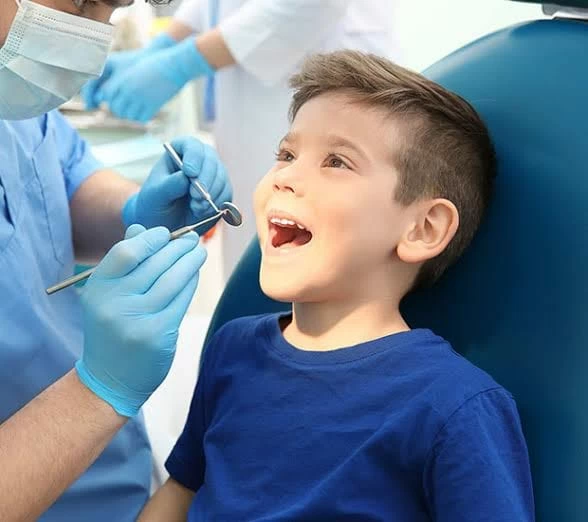

كشفت دراسة أمريكية واسعة النطاق نتائج واعدة لعلاج بسيط ومنخفض التكلفة قد يُحدث تحولًا في علاج تسوس الأسنان لدى الأطفال الصغار، إذ أظهر سائل يُعرف باسم فلوريد الفضة ثنائي الأمين (Silver Diamine Fluoride – SDF) قدرة على إيقاف تطور التسوس دون الحاجة إلى الحفر أو الحقن أو التخدير.
ونشرت الدراسة في مجلة JAMA Pediatrics، وقادها باحثون من جامعة ميشيغان، لتوفر لأول مرة أدلة سريرية واسعة داخل الولايات المتحدة قد تمهد الطريق لاعتماد العلاج رسميًا من قبل هيئة الغذاء والدواء الأمريكية (FDA) لعلاج تسوس الأسنان.
مشكلة صحية تؤرق آلاف الأطفال
ويُعد تسوس الأسنان أكثر الأمراض المزمنة شيوعًا بين الأطفال، حيث يصيب أكثر من 40% من الأطفال في الولايات المتحدة.
ويتسبب عدم علاج التسوس في آلام شديدة، والتهابات متكررة، وصعوبة في تناول الطعام والنوم، فضلًا عن التغيب عن الدراسة وزيادة الحاجة إلى الرعاية الطبية.
كما ينقل تسوس الأسنان آلاف الأطفال سنويًا إلى أقسام الطوارئ، لكن أطباء المستشفيات غالبًا لا يستطيعون علاج السبب الأساسي للمشكلة، ما يضطر بعض الأطفال لاحقًا إلى الخضوع لجراحات الأسنان تحت التخدير العام.
علاج في ثوانٍ
يعتمد العلاج الجديد على وضع كمية صغيرة من سائل فلوريد الفضة ثنائي الأمين مباشرة على السن المصاب باستخدام أداة إسفنجية صغيرة، وهي عملية لا تستغرق سوى ثوانٍ معدودة لكل سن.
وعلى عكس العلاج التقليدي الذي يتطلب إزالة الجزء المتضرر من السن ووضع حشوة، يعمل هذا السائل على وقف نشاط التسوس دون إزالة أي جزء من السن.
وقالت أستاذة طب الأسنان في جامعة ميشيغان الباحثة الرئيسية في الدراسة الدكتورة مارغريتا فونتانا: «إنه علاج آمن وفعال للغاية، حتى للأطفال الذين لا تتجاوز أعمارهم عامًا واحدًا».
تجربة على أكثر من 800 طفل
وشملت الدراسة 830 طفلًا تقل أعمارهم عن 6 سنوات، جرى اختيارهم من عيادات الأسنان وعيادات الأطفال وبرامج الرعاية المبكرة في ولايات ميشيغان ونيويورك وآيوا، وتلقى الأطفال علاجًا بسائل SDF بتركيز 38% كل 6 أشهر.
وأظهرت النتائج أن العلاج نجح في إيقاف تطور التسوس في أكثر من نصف الأسنان اللبنية المصابة لدى الأطفال الذين خضعوا للعلاج.
مناسب للفئات الأكثر صعوبة
وأشار الباحثون إلى أن العلاج قد يمثل خيارًا مثاليًا للأطفال الصغار الذين يصعب علاجهم بالطرق التقليدية، وكذلك لكبار السن، والأشخاص ذوي الإعاقات الجسدية أو الذهنية، والمرضى الذين يعانون خوفًا شديدًا من علاج الأسنان.
كما يمكن أن يفيد الأشخاص الذين يواجهون صعوبة في الوصول إلى خدمات طب الأسنان أو لا يستطيعون تحمل تكاليف العلاج التقليدي.
عيب تجميلي
ورغم فعاليته، فإن العلاج لا يخلو من أحد الجوانب السلبية، إذ يؤدي عنصر الفضة إلى تحول الجزء المتسوس من السن إلى اللون الأسود بشكل دائم، وهو ما قد يثير تحفظ بعض المرضى أو أولياء الأمور، رغم أنه لا يؤثر في فعالية العلاج.
خطوة نحو الاعتماد الرسمي
ويستخدم أطباء الأسنان في الولايات المتحدة هذا العلاج منذ عام 2014 بصورة محدودة وخارج نطاق الترخيص الرسمي، بعد اعتماده في الأصل كوسيلة لتخفيف حساسية الأسنان، بينما يُستخدم منذ عقود في عدد من دول العالم لعلاج التسوس.
لكن الباحثين أكدوا أن الدراسة الحالية توفر لأول مرة بيانات سريرية قوية تثبت سلامة العلاج وفعاليته، وهو ما قد يساعد الشركة المنتجة على التقدم بطلب رسمي للحصول على موافقة هيئة الغذاء والدواء الأمريكية لاستخدامه كدواء لعلاج تسوس الأسنان.
وقال أستاذ طب أسنان الأطفال بجامعة نيويورك أحد الباحثين المشاركين في الدراسة الدكتور عمر مرسي إن اعتماد العلاج رسميًا قد يسهم في توسيع استخدامه داخل العيادات، وتحسين تغطية شركات التأمين لتكاليفه، وضمان جودة المنتجات المتداولة في الأسواق.
حل مؤقت أو دائم
وأوضح الباحثون أن إعادة تطبيق العلاج كل عدة أشهر قد يسمح بالسيطرة على التسوس لدى الأطفال حتى سقوط الأسنان اللبنية طبيعيًا، بينما يمكن استخدامه لدى البالغين كعلاج طويل الأمد أو كحل مؤقت إلى حين إجراء الحشوات أو العلاجات الترميمية.
وأكدت فونتانا أن العلاج يمكنه في كثير من الحالات إيقاف التسوس، والحد من العدوى، وتخفيف الألم، ما يجعله خيارًا واعدًا لتحسين صحة الفم لدى ملايين الأطفال والبالغين حول العالم، خصوصًا مع سهولة تطبيقه وانخفاض تكلفته مقارنة بالعلاجات التقليدية.
A large-scale American study has revealed promising results for a simple and low-cost treatment that could transform the approach to treating tooth decay in young children. A liquid known as Silver Diamine Fluoride (SDF) has shown the ability to stop the progression of decay without the need for drilling, injections, or anesthesia.
The study was published in JAMA Pediatrics and led by researchers from the University of Michigan, providing, for the first time, extensive clinical evidence within the United States that may pave the way for the official adoption of the treatment by the U.S. Food and Drug Administration (FDA) for dental caries.
A Health Problem Affecting Thousands of Children
Tooth decay is the most common chronic disease among children, affecting more than 40% of children in the United States.
If left untreated, decay can lead to severe pain, recurrent infections, difficulty eating and sleeping, as well as increased absenteeism from school and a greater need for medical care.
Tooth decay also sends thousands of children to emergency departments each year, but hospital doctors often cannot treat the underlying cause of the problem, forcing some children to undergo dental surgeries under general anesthesia later on.
Treatment in Seconds
The new treatment involves applying a small amount of Silver Diamine Fluoride directly to the affected tooth using a small sponge applicator, a process that takes only a few seconds for each tooth.
Unlike traditional treatment, which requires removing the damaged part of the tooth and placing a filling, this liquid works to halt the decay process without removing any part of the tooth.
Dr. Margarita Fontana, a professor of dentistry at the University of Michigan and the principal investigator of the study, stated, “It is a very safe and effective treatment, even for children as young as one year old.”
Trial on Over 800 Children
The study included 830 children under the age of 6, selected from dental clinics, pediatric clinics, and early care programs in Michigan, New York, and Iowa. The children received treatment with SDF at a concentration of 38% every six months.
The results showed that the treatment successfully stopped the progression of decay in more than half of the affected primary teeth in the children who received the treatment.
Suitable for the Most Challenging Groups
The researchers noted that the treatment could represent an ideal option for young children who are difficult to treat using traditional methods, as well as for the elderly, individuals with physical or mental disabilities, and patients who have a severe fear of dental treatment.
It may also benefit those who have difficulty accessing dental services or cannot afford traditional treatment costs.
A Cosmetic Drawback
Despite its effectiveness, the treatment is not without one downside, as the silver component causes the decayed part of the tooth to turn permanently black, which may raise concerns among some patients or parents, even though it does not affect the treatment’s efficacy.
A Step Toward Official Approval
Dentists in the United States have been using this treatment since 2014 in a limited capacity and outside of official licensing, after it was originally approved as a means to alleviate tooth sensitivity, while it has been used for decades in several countries to treat decay.
However, the researchers confirmed that the current study provides, for the first time, strong clinical data demonstrating the safety and effectiveness of the treatment, which may assist the producing company in formally applying for FDA approval to use it as a medication for treating tooth decay.
Dr. Omar Mursi, a pediatric dentistry professor at New York University and a co-researcher in the study, stated that the official approval of the treatment could help expand its use in clinics, improve insurance coverage for its costs, and ensure the quality of products available in the market.
A Temporary or Permanent Solution
The researchers explained that reapplying the treatment every few months may allow for the control of decay in children until the primary teeth naturally fall out, while it can be used in adults as a long-term treatment or as a temporary solution until fillings or restorative treatments can be performed.
Fontana emphasized that the treatment can, in many cases, stop decay, reduce infection, and alleviate pain, making it a promising option for improving oral health for millions of children and adults around the world, especially given its ease of application and lower cost compared to traditional treatments.
تعليقات