
الصحة العالمية تحذر: أعداد إصابات إيبولا قد تفوق المعلن بأربع مرات – أخبار السعودية
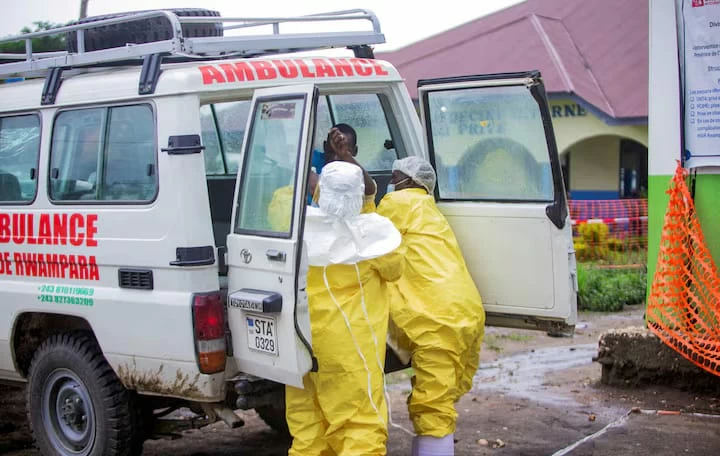

تحولت جمهورية الكونغو الديمقراطية إلى بؤرة لأحد أخطر أوبئة إيبولا في التاريخ، بعدما ارتفع عدد الإصابات إلى 3,532 حالة والوفيات إلى 1,556، ليصبح التفشي الحالي ثاني أكبر موجة مسجلة عالميًا، في وقت تتزايد فيه المخاوف من أن تكون الأرقام الحقيقية أكبر بكثير من الإحصاءات الرسمية، وسط نقص التمويل واستمرار أعمال العنف التي تعرقل جهود الاحتواء.
وأعلنت وزارة الاتصالات في الكونغو، اليوم (الجمعة)، أن عدد الإصابات المؤكدة بفايروس إيبولا بلغ 3,532 حالة، فيما وصل عدد الوفيات إلى 1,556 شخصًا، في مؤشر على استمرار انتقال العدوى بوتيرة أسرع من قدرة السلطات الصحية والمنظمات الدولية على احتواء الوباء.
وقال كارل سكاو، القائم بأعمال المدير التنفيذي لبرنامج الأغذية العالمي التابع للأمم المتحدة، إن العالم يشهد «أسرع تفشٍ لفايروس إيبولا على الإطلاق»، داعيًا المجتمع الدولي إلى إيلاء الأزمة اهتمامًا أكبر وتسريع الدعم المقدم للكونغو.
وأضاف أن الوباء يتوسع بوتيرة غير مسبوقة، ما يستدعي تحركًا عاجلًا لتجنب تفاقم الوضع الإنساني والصحي.
سلالة نادرة بلا لقاح أو علاج
وبحسب بيانات المراكز الإفريقية لمكافحة الأمراض والوقاية منها، فإن عدد الوفيات خلال أقل من ثلاثة أشهر من بدء التفشي بلغ خمسة أضعاف ما سجلته موجات إيبولا السابقة خلال الفترة الزمنية نفسها.
ويعود التفشي الحالي إلى سلالة بونديبوغيو (Bundibugyo) النادرة من فايروس إيبولا، وهي سلالة لا يتوفر لها حتى الآن لقاح معتمد أو علاج فعال، ما يزيد من تعقيد جهود مكافحة المرض.
العنف يعرقل الاستجابة الصحية
وتواجه فرق الاستجابة تحديات كبيرة في شرق الكونغو، حيث تنشط عشرات الجماعات المسلحة، الأمر الذي يصعب وصول الطواقم الطبية إلى المناطق المتضررة، كما أدى تقليص المساعدات الخارجية إلى نقص حاد في الموارد والإمكانات اللازمة لمكافحة الوباء.
ووفقًا لمنظمة الصحة العالمية، فإن التفشي الحالي لم يتجاوزه من حيث الحجم سوى وباء غرب إفريقيا بين عامي 2014 و2016، الذي سجل 28,616 إصابة و11,310 وفيات في كل من غينيا وليبيريا وسيراليون.
تحذير: الإصابات الحقيقية قد تكون أكبر بأربع مرات
وقالت أنجيلي غابيو، مسؤولة الطوارئ في منظمة «كاريتاس» بمدينة بونيا شمال شرقي الكونغو، إن حملات التوعية لم تحقق النتائج المرجوة، بينما يعاني العاملون في الخطوط الأمامية من الإرهاق والضغوط النفسية.
وأضافت أن المرض أصبح متجذرًا داخل المجتمعات المحلية، مشيرة إلى أن كثيرًا من السكان ما زالوا يلجأون إلى المعالجين التقليديين بدلًا من المراكز الصحية، وهو ما يساهم في استمرار سلاسل انتقال العدوى.
وكانت منظمة الصحة العالمية قد حذرت في وقت سابق من أن العدد الحقيقي للإصابات قد يصل إلى أربعة أضعاف الأرقام الرسمية، بسبب ضعف عمليات الرصد الوبائي ونقص وسائل النقل والكوادر الطبية، إضافة إلى تراجع ثقة بعض المجتمعات المحلية في السلطات الصحية.
نقص التمويل يهدد جهود الاحتواء
وأكدت المراكز الإفريقية لمكافحة الأمراض أن احتواء الوباء يتطلب تمويلًا يصل إلى 1.4 مليار دولار، أي ثلاثة أضعاف التقديرات الأولية التي أعلنتها في وقت سابق.
وأظهرت بيانات مشتركة صادرة هذا الأسبوع عن منظمة الصحة العالمية والمراكز الإفريقية أن خطة الاستجابة للفترة من مايو إلى أغسطس حصلت على تعهدات تمويل بلغت 213.9 مليون دولار، بينما تحتاج إلى 242.4 مليون دولار، ما يعني وجود فجوة تمويلية تعرقل تنفيذ الإجراءات الميدانية.
قيود السفر الأمريكية تزيد الضغوط
وزادت القيود التي فرضتها الولايات المتحدة على السفر من صعوبة إيصال فرق الإغاثة الدولية، بعدما أعلنت إدارة الرئيس الأمريكي دونالد ترمب حظر سفر المواطنين الأمريكيين الموجودين في الكونغو إلى الولايات المتحدة عبر الرحلات التجارية.
وأعلنت منظمة Samaritan’s Purse، التي تدير مراكز لعلاج مرضى إيبولا وتعتمد بشكل كبير على كوادر أمريكية في عملياتها داخل الكونغو، أنها ستضطر إلى تقليص أنشطتها بسبب إجراءات الحجر الصحي والقيود المفروضة على حركة العاملين، وهو ما قد ينعكس سلبًا على جهود السيطرة على الوباء في المرحلة القادمة.
The Democratic Republic of the Congo has become a hotspot for one of the deadliest Ebola outbreaks in history, with the number of infections rising to 3,532 cases and deaths to 1,556, making the current outbreak the second largest recorded globally, at a time when fears are growing that the real numbers may be much higher than the official statistics, amid funding shortages and ongoing violence that hinder containment efforts.
The Congolese Ministry of Communications announced today (Friday) that the number of confirmed Ebola virus infections has reached 3,532 cases, while the death toll has reached 1,556, indicating that the transmission of the virus is continuing at a pace faster than the ability of health authorities and international organizations to contain the outbreak.
Karl Skau, the acting executive director of the United Nations World Food Programme, stated that the world is witnessing “the fastest outbreak of the Ebola virus ever,” calling on the international community to pay greater attention to the crisis and accelerate support for the Congo.
He added that the epidemic is expanding at an unprecedented rate, necessitating urgent action to avoid worsening the humanitarian and health situation.
A rare strain with no vaccine or treatment
According to data from the African Centers for Disease Control and Prevention, the number of deaths within less than three months of the outbreak’s onset has reached five times that recorded in previous Ebola waves during the same timeframe.
The current outbreak is attributed to the rare Bundibugyo strain of the Ebola virus, which currently has no approved vaccine or effective treatment, complicating efforts to combat the disease.
Violence hinders health response
Response teams are facing significant challenges in eastern Congo, where dozens of armed groups are active, making it difficult for medical teams to reach affected areas. Additionally, the reduction of foreign aid has led to a severe shortage of resources and capabilities needed to combat the outbreak.
According to the World Health Organization, the current outbreak is surpassed in size only by the West African epidemic between 2014 and 2016, which recorded 28,616 infections and 11,310 deaths in Guinea, Liberia, and Sierra Leone.
Warning: Real infections may be four times higher
Angélique Gabio, an emergency official at Caritas in the city of Bunia in northeastern Congo, stated that awareness campaigns have not achieved the desired results, while frontline workers are suffering from exhaustion and psychological stress.
She added that the disease has become entrenched within local communities, noting that many residents still turn to traditional healers instead of health centers, which contributes to the continued chains of transmission.
The World Health Organization had previously warned that the actual number of infections could be up to four times the official figures, due to weak epidemiological surveillance, a lack of transportation, and medical personnel, as well as declining trust among some local communities in health authorities.
Funding shortages threaten containment efforts
The African Centers for Disease Control confirmed that containing the outbreak requires funding of up to $1.4 billion, three times the initial estimates announced earlier.
Joint data released this week by the World Health Organization and the African Centers indicated that the response plan for the period from May to August received funding commitments of $213.9 million, while it needs $242.4 million, indicating a funding gap that hinders the implementation of field measures.
U.S. travel restrictions increase pressures
The restrictions imposed by the United States on travel have complicated the delivery of international relief teams, after the Trump administration announced a travel ban for American citizens in Congo returning to the United States via commercial flights.
Samaritan’s Purse, which operates centers for treating Ebola patients and relies heavily on American personnel for its operations in Congo, announced that it would have to reduce its activities due to quarantine measures and restrictions on the movement of workers, which could negatively impact efforts to control the outbreak in the coming phase.
تعليقات