
«التعليم» تشدد: 30 طالباً في الفصل الواحد بمدارس الدمج – أخبار السعودية
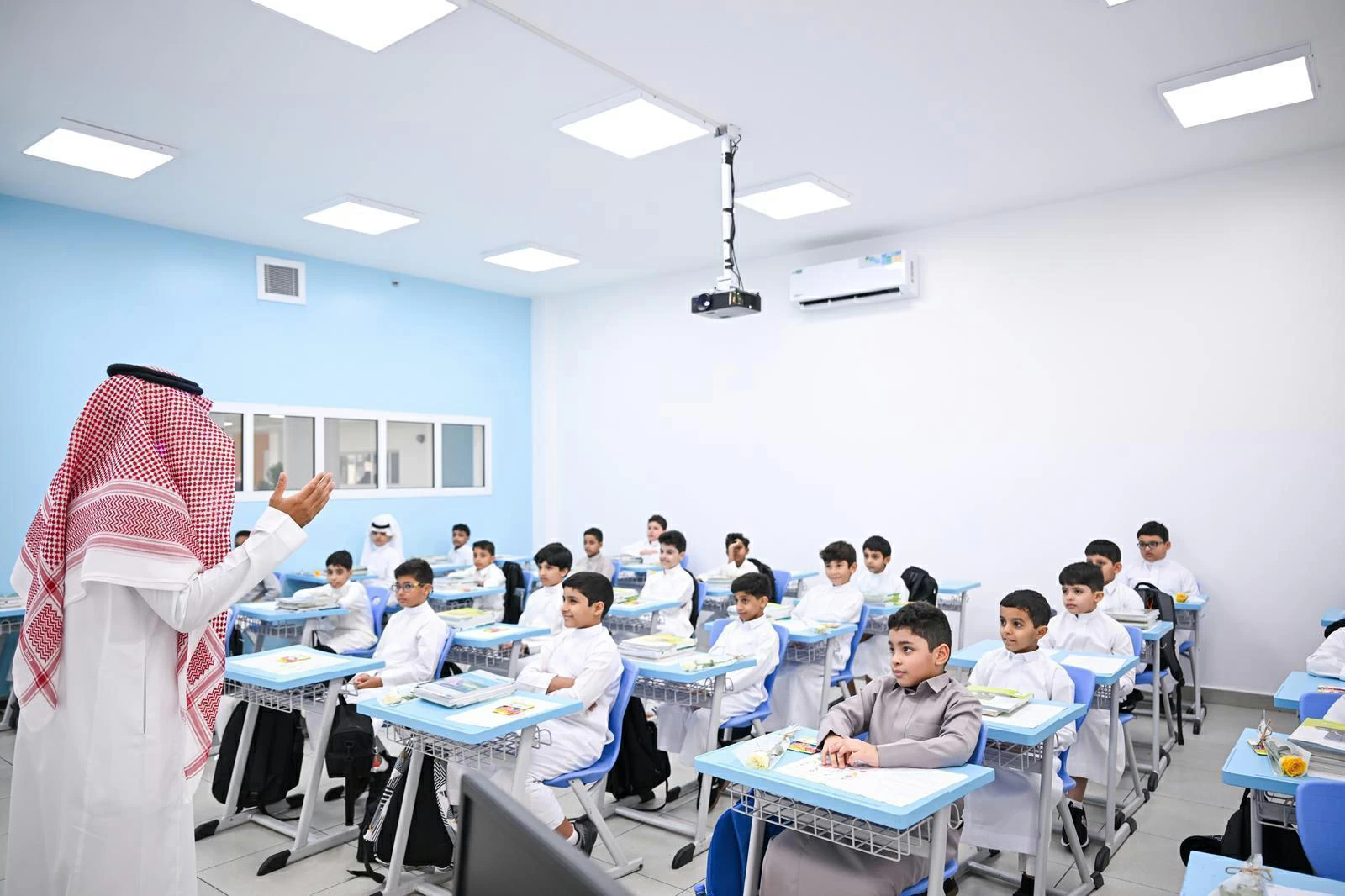

كشفت ضوابط وزارة التعليم الخاصة ببرامج ذوي الإعاقة، تحديد سقف لأعداد الطلاب في فصول الدمج الكلي، بحيث لا يزيد العدد في الفصل على 30 طالباً في المرحلة الابتدائية والمتوسطة والثانوية، مع مراعاة الطاقة الاستيعابية والمساحة المخصصة لكل طالب.
ونص الدليل التنظيمي على ألا تتجاوز نسبة الطلاب ذوي الإعاقة 25% من إجمالي طلاب الفصل، بما يحقق بيئة تعليمية مناسبة تضمن جودة الخدمات التعليمية والمساندة المقدمة لهم.
وتضمنت الضوابط تنظيماً أكثر دقة لبعض الفئات، إذ حددت ألا يزيد عدد طلاب اضطراب طيف التوحد (ذوي الأداء المنخفض) أو ذوي تعدد الإعاقة على خمسة طلاب في الفصل الواحد، فيما لا يزيد عدد الطلاب ذوي الإعاقة السمعية المزدوجة (الصم المكفوفون) على ثلاثة طلاب.
وتهدف التنظيمات إلى تحقيق التوازن داخل الفصول الدراسية، ورفع جودة الدمج، وتمكين الطلاب ذوي الإعاقة من الحصول على الخدمات التعليمية والمساندة بما يتناسب مع حاجاتهم.
The regulations of the Ministry of Education regarding programs for individuals with disabilities revealed a cap on the number of students in inclusive classrooms, stating that the number in a class should not exceed 30 students in elementary, intermediate, and secondary stages, taking into account the capacity and space allocated for each student.
The organizational guide stipulated that the percentage of students with disabilities should not exceed 25% of the total number of students in the class, ensuring a suitable educational environment that guarantees the quality of educational and supportive services provided to them.
The regulations included more precise organization for certain categories, specifying that the number of students with Autism Spectrum Disorder (low-performing) or multiple disabilities should not exceed five students in a single class, while the number of students with dual hearing and visual impairments (deaf-blind) should not exceed three students.
The aim of these regulations is to achieve balance within classrooms, enhance the quality of inclusion, and empower students with disabilities to access educational and supportive services that meet their needs.
تعليقات