

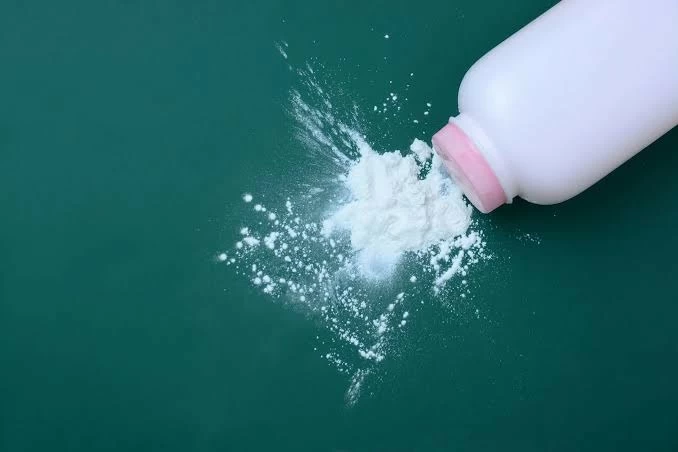
أعلنت شركة جونسون آند جونسون، توصلها إلى اتفاق تسوية بقيمة تقديرية تبلغ 5.5 مليار دولار لإنهاء عشرات الآلاف من الدعاوى القضائية التي تتهم بودرة الأطفال وغيرها من منتجات التلك التابعة لها بالتسبب في الإصابة بسرطان المبيض، في خطوة قد تضع حدًا لمعركة قانونية استمرت نحو عقد من الزمن.
وبحسب وكالة رويترز، أوضحت الشركة أن الاتفاق يشمل نحو 76 ألف دعوى قضائية، من بينها القضايا المجمعة أمام المحكمة الفيدرالية في ولاية نيوجيرسي، إضافة إلى دعاوى منظورة أمام محاكم الولايات، وهو ما يمثل الغالبية العظمى من المطالبات المتبقية المتعلقة بمنتجات التلك.
وكانت الشركة قد توصلت في وقت سابق إلى تسويات بشأن معظم الدعاوى التي زعمت احتواء منتجاتها على الأسبستوس والتسبب في الإصابة بسرطان المتوسطة (الميزوثليوما).
وأكدت مكاتب المحاماة الممثلة للمدعين التوصل إلى الاتفاق، واصفةً إياه بأنه حل عادل بعد سنوات من التقاضي، مشيرة إلى أن دخوله حيز التنفيذ يتطلب موافقة 95% من أصحاب دعاوى سرطان المبيض أمام المحاكم الفيدرالية أو محاكم الولايات.
وقال نائب رئيس قطاع التقاضي في الشركة، إريك هاس، إن جونسون آند جونسون لا تزال تعتبر هذه الادعاءات «بلا أساس»، لكنها اختارت التسوية لإنهاء الملف والتركيز على أعمالها الأساسية.
وأضاف أن الشركة كانت واثقة من قدرتها على الفوز في نهاية المطاف إذا استمرت الدعاوى، كما حدث في غالبية القضايا التي نظرت فيها المحاكم حتى الآن، إلا أن التسوية تتيح لها تجاوز هذا النزاع والتركيز على تطوير الأدوية والأجهزة الطبية المنقذة للحياة.
وبحسب الشركة، ستدفع 3 مليارات دولار خلال عام 2027، على أن تُستكمل المدفوعات في عام 2028، مع احتمال ارتفاع القيمة الإجمالية للتسوية تبعًا لعدد المطالبين الذين سينضمون إليها.
من جانبه، قال المحامي كريس سيغر، الذي يمثل نحو 2500 من المدعين وساهم في التفاوض على الاتفاق، إن إجمالي ما قد تدفعه الشركة قد يتجاوز 7 مليارات دولار، موضحًا أن الاتفاق يحدد قيمة التعويضات لكل دعوى مؤهلة، لكنه لا يضع سقفًا نهائيًا لإجمالي المدفوعات.
ويأتي الاتفاق بعد سلسلة من النجاحات القانونية لصالح جونسون آند جونسون، شملت الفوز بعدد من المحاكمات الفردية، والحصول على أحكام باستبعاد بعض محامي المدعين، إضافة إلى قرارات قضائية شككت في الأدلة والخبراء الذين استند إليهم المدعون لإثبات مزاعمهم.
كما حققت الشركة الأسبوع الماضي انتصارًا قضائيًا مهمًا عندما أبدى قاضٍ فيدرالي تشككه في قدرة المدعين على إثبات أن منتجات التلك كانت السبب المباشر في إصابتهم بسرطان المبيض.
وتواصل جونسون آند جونسون نفي أي علاقة بين منتجات التلك والسرطان، مؤكدة أن منتجاتها كانت آمنة وخالية من الأسبستوس.
وكانت قد أوقفت بيع بودرة الأطفال المصنوعة من التلك في الولايات المتحدة عام2020، واستبدلتها بمنتج يعتمد على نشا الذرة.
واستؤنفت الدعاوى القضائية في مارس 2025 بعد توقف استمر أكثر من ثلاث سنوات، إثر محاولات الشركة تسوية القضايا عبر إستراتيجية قانونية عُرفت باسم (خطوة تكساس)، تضمنت تقديم ثلاثة طلبات إفلاس من خلال شركة تابعة، إلا أن جميع هذه المحاولات انتهت بالرفض.
وعلى خلاف مقترحات التسوية السابقة المرتبطة بالإفلاس، يقتصر الاتفاق الحالي على الدعاوى القائمة فقط، ولا يشمل أي مطالبات مستقبلية، وهو ما أتاح تخصيص مبالغ أكبر للمدعين الحاليين، مع تسريع صرف التعويضات بحيث تُدفع خلال 18 شهرًا بدلًا من توزيعها على أكثر من عشر سنوات.
Johnson & Johnson announced that it has reached a settlement agreement estimated at $5.5 billion to end tens of thousands of lawsuits accusing its talc-based baby powder and other talc products of causing ovarian cancer, in a move that could put an end to a legal battle that has lasted nearly a decade.
According to Reuters, the company clarified that the agreement covers approximately 76,000 lawsuits, including those consolidated in federal court in New Jersey, as well as cases pending in state courts, which represents the vast majority of remaining claims related to talc products.
The company had previously reached settlements regarding most of the lawsuits that alleged its products contained asbestos and caused mesothelioma.
Law firms representing the plaintiffs confirmed the agreement, describing it as a fair resolution after years of litigation, noting that its implementation requires the approval of 95% of ovarian cancer claimants in federal or state courts.
Eric Haas, the company’s vice president of litigation, stated that Johnson & Johnson still considers these claims “baseless,” but chose to settle to close the file and focus on its core business.
He added that the company was confident in its ability to ultimately win if the lawsuits continued, as has been the case in the majority of cases heard by the courts so far, but the settlement allows it to move past this dispute and focus on developing life-saving drugs and medical devices.
According to the company, it will pay $3 billion by 2027, with payments to be completed in 2028, and the total settlement amount may increase depending on the number of claimants who join it.
For his part, attorney Chris Seeger, who represents about 2,500 plaintiffs and contributed to negotiating the agreement, stated that the total amount the company may pay could exceed $7 billion, explaining that the agreement sets compensation values for each eligible claim but does not impose a final cap on total payments.
The agreement comes after a series of legal successes for Johnson & Johnson, including winning several individual trials, obtaining rulings to exclude certain plaintiff attorneys, and judicial decisions that questioned the evidence and experts relied upon by the plaintiffs to support their claims.
Last week, the company also achieved an important legal victory when a federal judge expressed skepticism about the plaintiffs’ ability to prove that talc products were the direct cause of their ovarian cancer.
Johnson & Johnson continues to deny any link between talc products and cancer, asserting that its products were safe and asbestos-free.
It had stopped selling talc-based baby powder in the United States in 2020, replacing it with a corn starch-based product.
Lawsuits resumed in March 2025 after a hiatus of more than three years, following the company’s attempts to settle the cases through a legal strategy known as the “Texas Two-Step,” which involved filing three bankruptcy petitions through a subsidiary, but all of these attempts ended in rejection.
Unlike previous settlement proposals linked to bankruptcy, the current agreement is limited to existing lawsuits only and does not include any future claims, allowing for larger amounts to be allocated to current claimants, with expedited compensation payments to be made within 18 months instead of being spread over more than ten years.