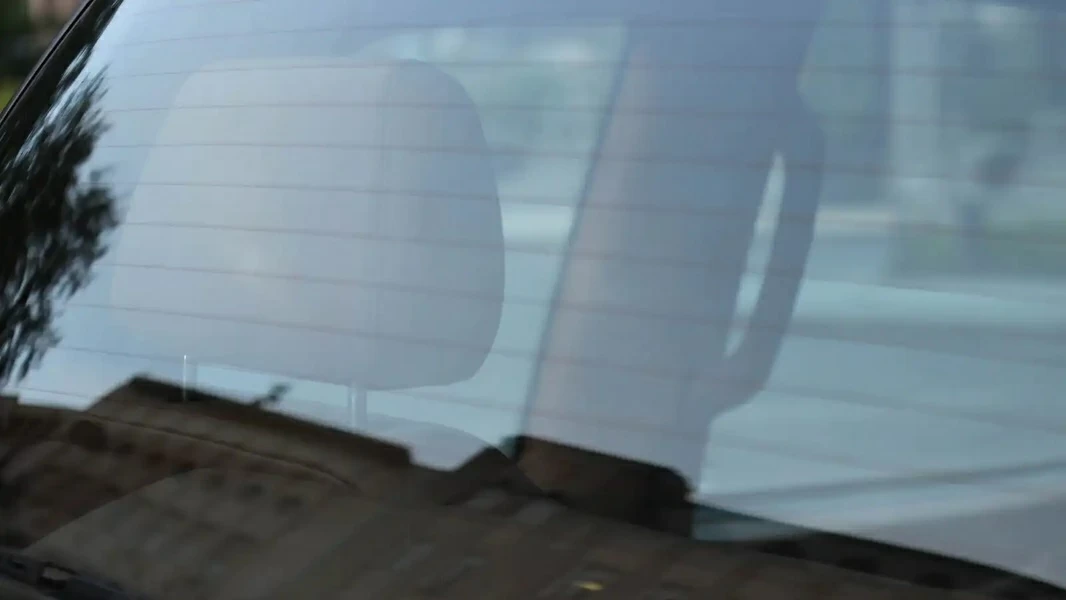
يعتقد كثير من سائقي السيارات أن الخطوط الرفيعة المتوازية المطبوعة على الزجاج الخلفي مجرد عنصر تصميمي أو لمسة ديكور خارجية. لكن الحقيقة التقنية مختلفة تماماً، فهذه السطور البسيطة هي عبارة عن نظام أمان حراري مدمج يُنقذك من مخاطر الحوادث أثناء القيادة في الأجواء الباردة أو الرطبة.
اقرأ أيضا: مباراة ودية مثيرة بين الأهلي القطري والهلال السعودي في النمسا تتصدر المشهد الرياضي
كيف تحول الكهرباء الحرارة إلى رؤية واضحة؟
تُعرف هذه التقنية باسم شبكة إزالة الضباب والصقيع (Rear Defogger)، وهي عبارة عن أسلاك كهربائية دقيقة موصلة للتيار، تُثبت على سطح الزجاج الخلفي أو تُدمج داخله بعناية كي لا تعيق الرؤية:
- طريقة العمل: بمجرد الضغط على زر إزالة الضباب داخل السيارة، يتدفق تيار كهربائي منخفض عبر هذه الأسلاك، مما يولد حرارة خفيفة تُدفئ الزجاج مباشرة.
- إذابة سريعة: تعمل هذه الحرارة الموجهة على تبخير طبقات بخار الماء وتذويب الجليد المتراكم في ثوانٍ معدودة، مما يمنح السائق كشفاً كاملاً للطريق والمركبات خلفه.
ولم يأتِ تصميم هذه الشبكة على شكل خطوط أفقية متوازية بالصدفة، بل يقف خلفه تفكير هندسي ذكي يعتمد على توزيع حراري متوازن، إذ يضمن هذا النمط توزيع الحرارة بالتساوي على كامل مساحة الزجاج وبأقل استهلاك ممكن لطاقة البطارية، بدلاً من وضع طبقة تسخين كاملة قد تعتم الرؤية. وثمة فرق في الزجاج الأمامي، حيث يعتمد الزجاج الأمامي غالباً على دفع الهواء الساخن عبر فتحات التهوية لإزالة التكثف، لأن وجود أسلاك واضحة أمام عين السائق مباشرة قد يشتت انتباهه، رغم أن بعض الطرازات الحديثة بدأت بدمج خيوط تسخين مجهرية غير مرئية في الأمام أيضاً.
ويمكن الخلوص إلى أن هذه الخطوط البسيطة تُظهر كيف تتكامل الهندسة الذكية في تصميم المركبات، حيث يتحول سلك كهربائي دقيق إلى خط دفاع أول يحمي السائق من المفاجآت في الظروف الجوية القاسية.
Many drivers believe that the thin parallel lines printed on the rear window are merely a design element or an external decorative touch. However, the technical truth is quite different; these simple lines are part of an integrated thermal safety system that saves you from the dangers of accidents while driving in cold or humid conditions.
اقرأ أيضا: بعد إصابة فادية عكاشة.. لماذا تحدث الجلطة الدماغية وكم تدوم وما العلاج
How does electricity turn heat into clear vision?
This technology is known as the Rear Defogger, which consists of fine electric wires that conduct current, carefully affixed to the surface of the rear glass or integrated within it to avoid obstructing the view:
- How it works: Once the defogger button inside the car is pressed, a low electric current flows through these wires, generating gentle heat that warms the glass directly.
- Rapid melting: This directed heat vaporizes layers of water vapor and melts accumulated ice in just a few seconds, providing the driver with a clear view of the road and the vehicles behind.
The design of this grid in the form of parallel horizontal lines was not a coincidence; it is backed by intelligent engineering thinking that relies on balanced thermal distribution. This pattern ensures even heat distribution across the entire surface of the glass with minimal battery energy consumption, instead of placing a full heating layer that could obscure the view. There is a difference in the windshield, where it often relies on blowing hot air through ventilation openings to remove condensation, as having visible wires directly in front of the driver’s eyes could distract them, although some modern models have started to integrate invisible microscopic heating threads in the front as well.
It can be concluded that these simple lines demonstrate how smart engineering integrates into vehicle design, where a fine electric wire becomes the first line of defense protecting the driver from surprises in harsh weather conditions.
اقرأ أيضا: توصيات لجنة الدراسات الأدبية والنقدية فى مائدة الخطاب النقدى العربى