فجّر عضو مجلس الشيوخ المصري أحمد ترك، عاصفة من الجدل تحت قبة البرلمان وفي الشارع المصري، بعد دعوته الجريئة لإعادة النظر في خريطة التبرعات الخيرية، مطالباً بتقديم بناء المدارس ودعم التعليم على التوسع في بناء المساجد في المناطق التي يرى أنها حققت اكتفاءً ذاتياً.
هل اكتفت مصر من المساجد؟
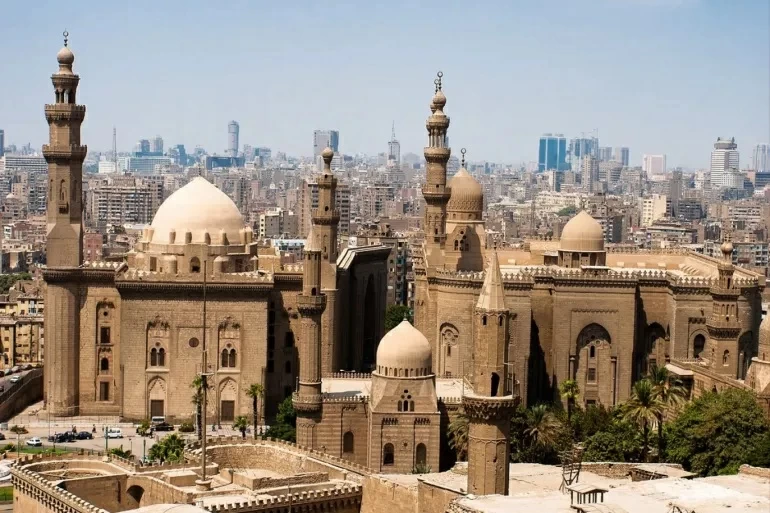
خلال مداخلته، وضع ترك النقاط على الحروف مشيراً إلى أن مصر تمتلك أكثر من 150 ألف مسجد، وهو رقم ضخم يعكس تدين المجتمع، لكنه استدرك قائلاً إن الاستمرار في البناء العمراني للمساجد في ظل وجود عجز صارخ في الفصول الدراسية هو أمر «يخالف فقه الأولويات». وتساءل: أيهما أولى بالصدقة الجارية.. مئذنة جديدة أم فصل دراسي يحمي عقول الأجيال؟
واستندت الرؤية التي طرحها البرلماني الأزهري إلى قاعدة شرعية تعتبر أن «بناء الإنسان» وتوفير العلم له هو هدف أسمى في الإسلام. وأكد أن العمل الصالح لا ينحصر في دور العبادة فقط، بل يمتد ليشمل بناء المؤسسات التعليمية التي تخرج الطبيب والمهندس والمعلم، معتبراً أن التعليم هو «المحراب الحقيقي» لنهضة الأمم في الوقت الحالي.
وفور انتشار التصريحات، انقسمت منصات التواصل الاجتماعي إلى معسكرين:
- المؤيدون: وصفوا الدعوة بـ«الواقعية والشجاعة»، مؤكدين أن التبرع للمدارس والجامعات هو قمة العمل الخيري في ظل التحديات الاقتصادية والتعليمية.
- المعارضون: رأوا أن بناء المساجد له قدسية خاصة ولا يجوز الربط بينه وبين تقصير المؤسسات الأخرى، معتبرين أن «بيوت الله» تُبنى بجهود ذاتية لا تعيق بناء المدارس.
ولم يكتفِ البرلماني المصري أحمد ترك بالانتقاد، بل قدم حلولاً عملية عبر الدعوة لإحياء فكرة «الوقف التعليمي»، مبيناً أن استثمار أموال المتبرعين في بناء مدارس وتطوير مناهج هو الصدقة التي يحتاجها المجتمع المصري اليوم لضمان مستقبل أفضل.
وأعادت هذه المداخلة البرلمانية صياغة النقاش حول «فلسفة العمل الخيري» في مصر. فبين مئذنة تُرفع وإنسان يُبنى، يبقى السؤال معلقاً في أذهان الملايين: أين تكمن مصلحة البلاد والعباد في زمن تتزاحم فيه الحاجات؟
Egyptian Senator Ahmed Turk sparked a storm of controversy under the dome of parliament and in the Egyptian street after his bold call to reconsider the map of charitable donations, demanding that building schools and supporting education take precedence over expanding the construction of mosques in areas he believes have achieved self-sufficiency.
Has Egypt reached its limit with mosques?
During his intervention, Turk emphasized that Egypt has more than 150,000 mosques, a massive number that reflects the religiosity of society. However, he added that continuing to build mosques amid a glaring shortage of classrooms is something that “contradicts the jurisprudence of priorities.” He questioned: which is more deserving of ongoing charity… a new minaret or a classroom that protects the minds of future generations?
The vision presented by the Azhar parliamentarian was based on a legal principle that considers “building a person” and providing education to be a higher goal in Islam. He affirmed that good deeds are not limited to places of worship but extend to building educational institutions that produce doctors, engineers, and teachers, considering education to be the “true sanctuary” for the revival of nations today.
As soon as the statements spread, social media platforms divided into two camps:
- Supporters: They described the call as “realistic and courageous,” affirming that donating to schools and universities is the pinnacle of charitable work amid economic and educational challenges.
- Opponents: They viewed the construction of mosques as having a special sanctity and argued that it should not be linked to the shortcomings of other institutions, asserting that “houses of God” are built through self-effort and do not hinder the construction of schools.
Egyptian parliamentarian Ahmed Turk did not stop at criticism; he also offered practical solutions by calling for the revival of the idea of “educational endowments,” indicating that investing donor funds in building schools and developing curricula is the charity that Egyptian society needs today to ensure a better future.
This parliamentary intervention has reshaped the discussion around the “philosophy of charitable work” in Egypt. Between a minaret being raised and a person being built, the question remains hanging in the minds of millions: where lies the interest of the country and its people in a time when needs are competing?