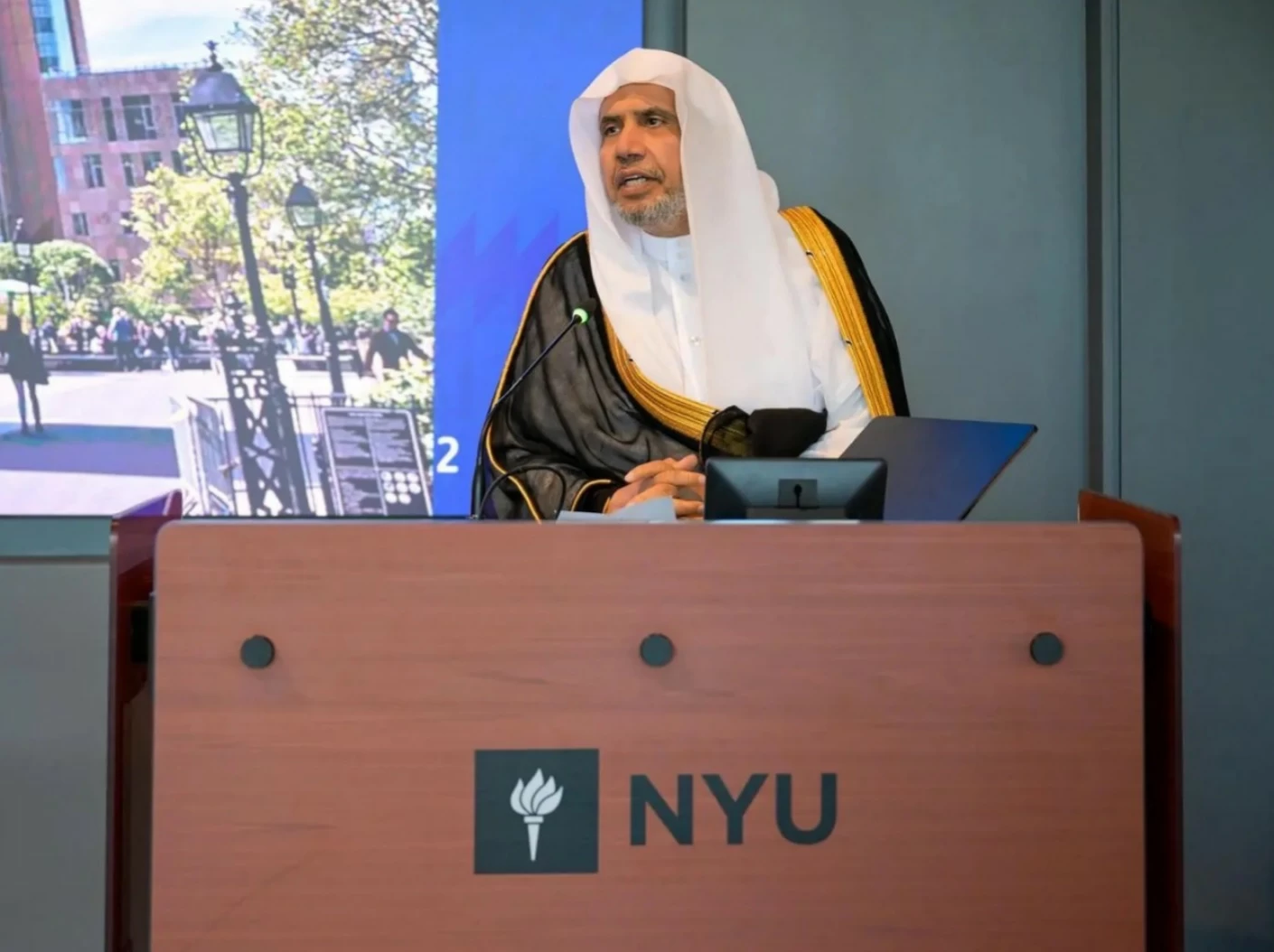
استضافت جامعة «نيويورك» الأمين العام لرابطة العالم الإسلامي رئيس هيئة علماء المسلمين الشيخ الدكتور محمد بن عبد الكريم العيسى لإلقاء محاضرةٍ أعقَبَها حوارٌ شاملٌ مع نُخبةٍ من أكاديميّي الجامعة والمدعُوين للقاء.
وناقش اللقاءُ عددًا من المحاور المرتبطة باستخدام الذكاء الاصطناعي في تعزيز خطاب الكراهية عَبر منصات التواصل الاجتماعي، إضافةً إلى بيان الدَّور التضامني لمؤسسات المجتمع، مع التركيز على الدور الديني في مكافحة هذا الخطاب، لاسيما من خلال دراسة الأسباب والعلاج، واستعرض العيسى صورًا من تلك الأسباب، ونماذج مقترحة للعلاج، وذلك استنادًا إلى استطلاعاتٍ ودراساتٍ شاملة.
وناقشت المحاضرة أبرز التحديات والفُرص والتجارب والمقترحات المتصلة بالموضوع، مستعرضًا تفاصيل تتعلق بتوليد المحتوى تلقائيًّا باستخدام تقنيات الذكاء الاصطناعي لإنتاج نصوص أو صور أو مقاطع مرئيةٍ قد تتضمن مضامين تمييزية أو تحريضية، وكذلك الاستهداف الخوارزمي عَبر تحليل سلوك المستخدمِين واهتماماتهم، وتوجيه المحتوى المثير للانقسام والاستقطاب إلى فئات محدّدة بهدف زيادة التفاعل.
وتطرّقت المحاضرة إلى التضخيم الرقمي للمحتوى من خلال الحسابات الآلية والمنسقة (Bots & Coordinated Networks)، التي تُسهم في توسيع انتشار خطاب الكراهية والمعلومات المضللة، والتلاعب بالمحتوى السمعي والبصري باستخدام تقنيات «التزييف العميق» (Deepfake)، التي قد تُستغلّ في تشويه الأفراد أو الجماعات وإثارة العداء ضدهم، وكذا تأثير خوارزميات التوصية الرقمية في تعزيز المحتوى الاستفزازي أو المتطرف نتيجةَ ارتفاعِ مُعدّلات التفاعل معه.
وعلّقَ العيسى قائلًا: «إنّ توظيف الذكاء الاصطناعي في تعزيز خطاب الكراهية يثير تحليلًا قانونيًّا دقيقًا يتمثّلُ في تحقيق التوازن بين ضمان حرية التعبير ضمن نطاقها المشروع، وحماية المجتمع من المحتوى التحريضي، مع تحديد المسؤولية القانونية للفاعلِين الرقميين والمنصات التقنية».
New York University hosted the Secretary-General of the Muslim World League, Chairman of the Association of Muslim Scholars, Sheikh Dr. Mohammed bin Abdul Karim Al-Issa, to deliver a lecture followed by a comprehensive dialogue with a select group of university academics and invited guests.
The meeting discussed several topics related to the use of artificial intelligence in promoting hate speech across social media platforms, in addition to highlighting the solidarity role of community institutions, with a focus on the religious role in combating this discourse, particularly through studying the causes and remedies. Al-Issa presented examples of those causes and proposed models for treatment, based on comprehensive surveys and studies.
The lecture addressed the main challenges, opportunities, experiences, and proposals related to the topic, detailing aspects related to the automatic generation of content using artificial intelligence techniques to produce texts, images, or videos that may contain discriminatory or inciting content, as well as algorithmic targeting through analyzing user behavior and interests, directing divisive and polarizing content to specific groups to increase engagement.
The lecture also touched on the digital amplification of content through automated and coordinated accounts (Bots & Coordinated Networks), which contribute to the spread of hate speech and misinformation, and the manipulation of audio-visual content using “deepfake” techniques, which may be exploited to distort individuals or groups and incite hostility against them, as well as the impact of digital recommendation algorithms in promoting provocative or extremist content due to increased interaction rates with it.
Al-Issa commented, saying: “The use of artificial intelligence to promote hate speech raises a precise legal analysis that involves balancing the guarantee of freedom of expression within its legitimate scope and protecting society from inciting content, while determining the legal responsibility of digital actors and technical platforms.”